ByJohn A
How Developers Use AI Coding Assistants
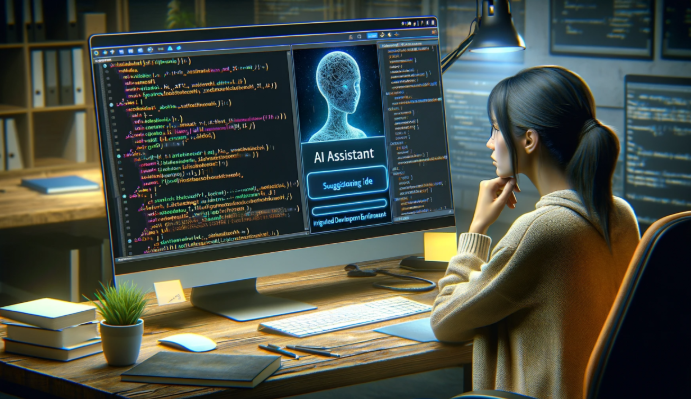
AI coding assistants streamline routine tasks, generating boilerplate, scaffolding, and repetitive edits so developers can focus on higher-value work. They accelerate onboarding with context-aware explanations, surface edge cases, and reveal subtle bugs through automated analysis. By aligning tools with workflow, teams pilot integrations, document rationale for trust, and preserve human autonomy. The result is a more efficient, judgment-driven collaboration—one that invites teams to weigh tooling against their unique processes as they continue to evolve.
How AI Coding Assistants Accelerate Everyday Coding
AI coding assistants streamline routine development tasks by handling boilerplate, scaffolding, and repetitive edits, allowing developers to focus on higher-value work. They support novice onboarding by guiding patterns and offering context-aware explanations, while preserving autonomy. In daily workflows, assistants speed code review cycles, flag anomalies, and propose improvements, enabling teams to implement rigorous, scalable processes without sacrificing individual creativity or freedom.
See also: thetablesproworld
Surprising Ways AI Highlights Edge Cases and Bugs
Edge cases and subtle bugs often surface when developers leverage AI coding assistants, revealing gaps that traditional testing may overlook.
The approach emphasizes edge cases and bug highlights identified by automations, guiding teams to adapt testing strategies.
This perspective supports a strategic, people-centric workflow, where coherent processes empower freedom, reduce risk, and foster trust in automated insights while maintaining disciplined validation.
Evaluating Tools: Which Assistant Fits Your Workflow?
Choosing the right AI coding assistant hinges on aligning capabilities with a team’s workflow, priorities, and constraints.
Organizations assess fit through practical pilots, measuring tool integration, latency, and reliability within existing pipelines.
A strategic lens emphasizes seamless user onboarding and clear role delineation, ensuring developers adopt efficiently.
The outcome: a transparent, repeatable evaluation process that respects autonomy while guiding disciplined tooling choices.
Collaborating With AI: Best Practices for Humans and Machines
As teams adopt AI coding assistants, the collaborative dynamic shifts from tool selection to ongoing interaction patterns between developers and machines, ensuring that automation amplifies human judgment rather than replaces it.
Teams cultivate AI human synergy by framing decisions, validating outputs, and documenting rationale.
Trust calibration emerges through transparency, repeatable checks, and feedback loops that respect autonomy while guiding continuous improvement.
Frequently Asked Questions
How Do AI Assistants Handle Proprietary or Sensitive Code?
AI assistants treat proprietary code with privacy safeguards and strict licensing controls, minimizing data exposure; safeguards govern access, retention, and usage, while licensing concerns ensure lawful reuse. The approach balances freedom with process rigor, safeguarding trust and collaboration.
Can AI Coding Tools Replace Human Engineers Entirely?
AI coding assistants cannot replace human engineers entirely; collaboration remains essential. They augment, not override. They support AI collaboration while upholding Code ethics, preserving Developer autonomy, and empowering strategic, people-centric workflows for freedom-seeking teams.
What Are the Security Implications of Ai-Generated Code?
AI-generated code introduces security risks, including potential code leakage and licensing concerns, demanding robust governance; it requires ongoing compliance issues assessment, strong access controls, and transparent provenance, ensuring freedom-minded teams balance innovation with disciplined, people-centric risk management.
How Do AI Tools Impact Code Ownership and Licensing?
AI tools influence ownership dynamics by clarifying provenance tracking and attribution challenges, while highlighting licensing pitfalls; organizations must implement transparent processes, governance, and contributor agreements to preserve freedom, align incentives, and sustain fair, strategic collaboration across teams.
What Metrics Truly Indicate Ai-Assisted Productivity Gains?
Coincidence aligns: AI-assisted metrics that truly indicate productivity gains include measured impact on developer velocity and workflow throughput, highlighting metrics impact while balancing quality, cycle time, and autonomy for teams pursuing freedom, efficiency, and strategic, people-centric progress.
Conclusion
In the quiet workshop of code, AI coding assistants serve as compasses and lanterns. They map repetitive corridors, spotlight hidden cracks, and draft scaffolds that invite human judgment rather than replace it. This partnership turns busywork into architecture: a workflow where collaboration, trust, and continuous learning become the true north. The tool is a symbol of disciplined progress—an ally that amplifies human judgment while preserving autonomy, ensuring every line builds toward clarity, resilience, and shared purpose.